Photo: S.H.A.R.E. I inadvertently over-watered a new — particularly fragile — tree’s foliage last summer, instead of soaking the ground near its roots, then watched with a sinking feeling as the leaves went strange a few weeks later and mostly fell off. Later, a nursery diagnosed the problem as a fungal disease. The teachable: when it comes to ornamentals, don’t water foliage. The tree lived, but it underlined how damaged leaves can spell doom.
So it hit home last week when I encountered a similar situation in Belize. Along with 13 University of Guelph students, I was part of what’s becoming an annual study tour with the regional non-governmental organization SHARE (www.shareagfoundation.org), which promotes progressive approaches to farming in underdeveloped countries in Central America and South America.
But there was one big difference. In Canada, if an ornamental tree or plant dies from foliage watering, it’s unfortunate, inconvenient and expensive. However, it’s usually replaceable. In Belize, or any underdeveloped country, if the same ill befalls a subsistence food crop in a garden or field, it can be disastrous.
The situation I saw, however, was related to chlorine. Untreated water can be unhygienic, and chlorine can help make it potable. It’s helped improve the health status of many rural Belizeans as their villages have installed municipal water systems, some on a very small scale.
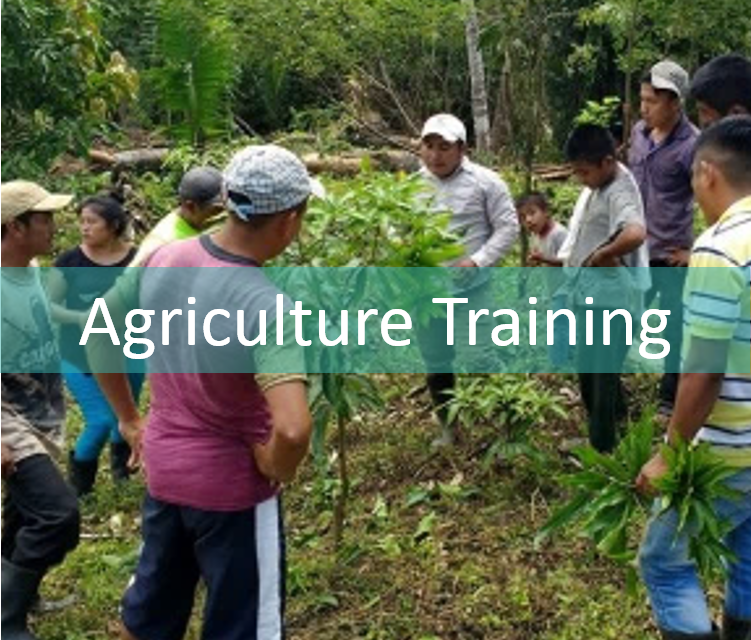
But chlorinated water can be unkind to leafy vegetables. At a no-frills rural school we visited in Los Tambos, about 90 minutes from the nation’s capital of Belmopan, the agriculture teacher was anxious to show us the multi-plot model garden he and his students developed at the back of their school property. They grow garden vegetables, many of which augment their normal diets of rice and beans, chicken and pork. Cucumbers, cilantro, cabbage, carrots and radishes were among the vegetables the students were learning to grow.
The teacher told us one of the hardest lessons he had to continually reinforce was to not water foliage. The school is fortunate to have a chlorinated water supply, but this water burns plants’ leaves, he said. Intense sun makes matters worse. Belize gets exponentially more moisture than Ontario, so watering isn’t always necessary. But during the dry season, which is now, gardens and fields need attention. And often, on small one- to two-acre farms, the children help with food production. Teaching them the proper way to water is an important skill. But it’s tedious when you’re seven years old, there are others things to do and chlorinated water is standing in the way.
Later, I wondered with my students if there was an easy, low-tech way to neutralize chlorine, so watering could be less precise. Could an inexpensive tablet be developed that, when added to water in a pail, say, would take the zing out of chlorine? I figured that would be better than villagers keeping a separate supply of unchlorinated water for their gardens, and taking the chance that the two got mixed up. Plus, making chlorine a villain might cast too much of a disparaging light on treated water, and move villagers to abandon it, defeating the significant gains they get from drinking clean water.
A couple of my students who remembered their first-year chemistry suggested some kind of sodium solution might do it. What if it was compacted into an Aspirin-size tablet and added to a pail or bucket before watering? That’s not complicated technology. In theory, it could be made by low-tech manufacturers in the underdeveloped country itself. Or maybe it already exists.
Well, it turns out it does, sort of. A quick Google search revealed something called sodium thiosulfate, which is used to neutralize tap water destined for aquariums. Like leafy green vegetables, fish aren’t too crazy about chlorine, either.
Who knows if this application would produce water that’s too salty for gardens, or if other approaches to neutralize chlorine, such as Vitamin C, would work. Or if indeed some new tablet was developed, who would make it available to those in underdeveloped countries, such as Belize? Health units? Extension agents? I don’t know. But that’s what research is for.
Meanwhile, if spring ever arrives, water the ground near the roots, not the foliage, and save yourself some grief.
Owen Roberts teaches agricultural communications at the University of Guelph.