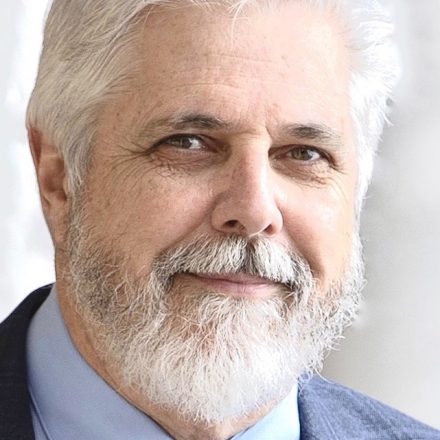
Owen Roberts March 30th, 2010
I asked SPARK writer Vanessa Perkins (pictured below) to be my guest blogger here today, to recount the way the University of Guelph intersex horse story developed for her. It’s become a local and national story, appearing everywhere from the Guelph Mercury as a SPARKplug she wrote herself (as per an agreement we have with the Mercury) to CTV News. Here’s the way it happened…with the take-home message for journalists being to keep listening after you think the interview is over.
Vanessa is currently a communications intern with Agriculture and Agri-Food Canada at the Ontario region headquarters in Guelph.
* * *
You sometimes find a lot more than you go looking for – as University of Guelph scientists and SPARK writers have found.
As a SPARK student writer, I had the opportunity to meet with several University of Guelph researchers. Dr. Allan King, biomedical science researcher, and I were discussing a state-of-the-art lab recently built in the Ontario Veterinary College (OVC) for an article in the upcoming issue of the Research magazine.
While meeting with Dr. King, and after discussing the lab, we started talking about some of the other research he and his colleagues were now able to do with the new pieces of equipment , such as PCR analysis, cell cloning, better analysis of intersex horses…
Better analysis of what? I had to ask! Dr. King explained they’d found horses that appeared to be females, but after exhibiting some strange behaviour, and upon closer analysis at the OVC, were found to be male.
After excitedly passing the story idea on to others at SPARK, it turned out I wasn’t the only person who was intrigued by the topic! I was lucky enough to meet again with Dr. King and his colleague Dr. Tracey Chenier, who explained the phenomenon to me in detail. It’s now being retold across Canada.
It just goes to show – in communications, expect the unexpected!
- Vanessa Perkins